
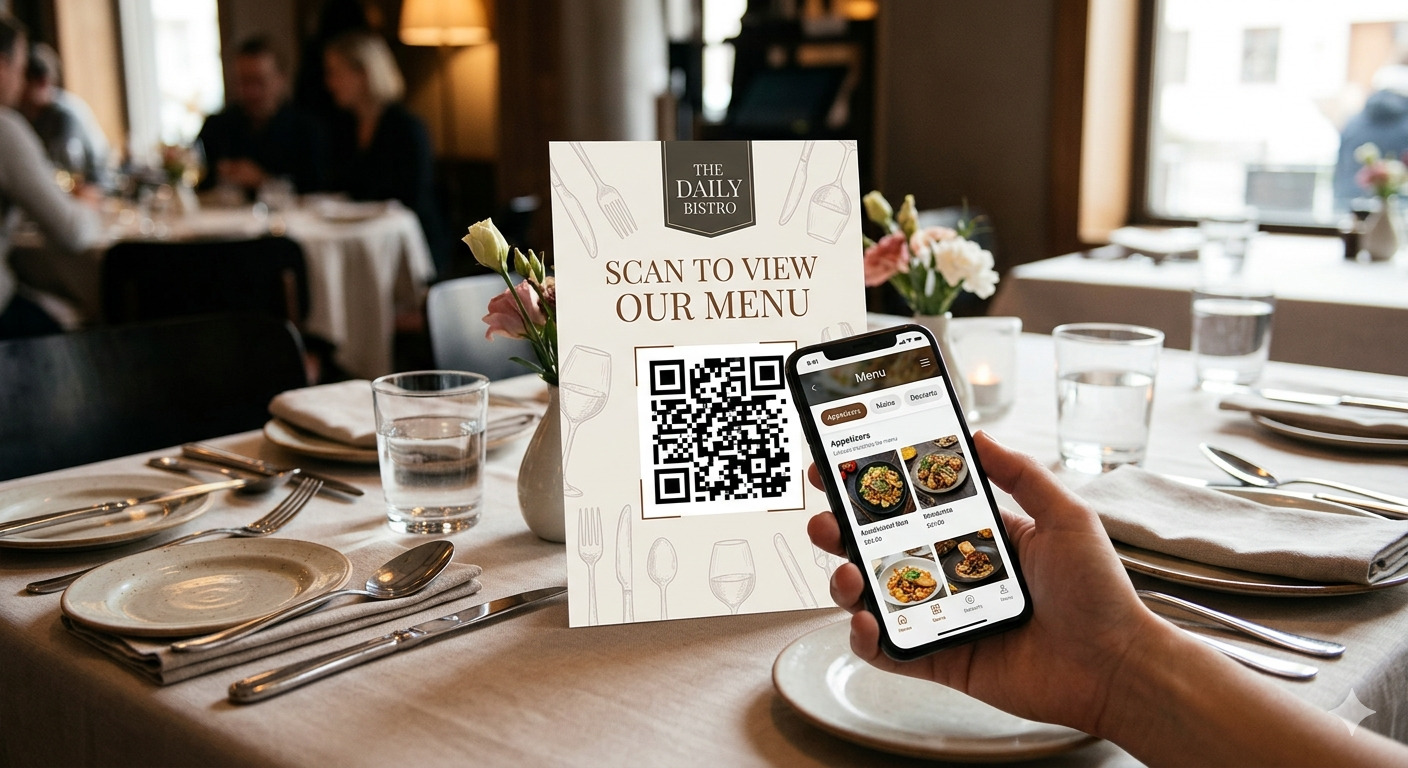
Digital transformation in the hospitality industry has accelerated rapidly in recent years, and one of the most visible changes is how restaurants present their menus. Traditional printed menus are no longer the only option. Today, many businesses rely on a qr code menu to offer a faster, cleaner, and more flexible dining experience.
Digital transformation in the hospitality industry has accelerated rapidly in recent years, and one of the most visible changes is how restaurants present their menus. Traditional printed menus are no longer the only option. Today, many businesses rely on a qr code menu to offer a faster, cleaner, and more flexible dining experience.
A QR code menu allows guests to access the menu instantly using their smartphones. Instead of waiting for a server or handling physical materials, customers simply scan a code and view the menu on their device. This shift is not just about convenience—it also opens new opportunities for restaurants to update content, improve service, and better understand customer behavior.
Solutions like qr code for restaurant menu demonstrate how QR-based menus can become part of a broader digital ecosystem, combining accessibility, branding, and analytics in one place.
Understanding how QR code menus work and how to implement them effectively is essential for any modern restaurant.
The concept of a qr code menu for restaurants is simple, but its impact is significant. By replacing or complementing traditional menus, restaurants can streamline operations and enhance the guest experience without major infrastructure changes.
One of the biggest advantages is flexibility. With a digital menu, restaurants can update prices, add new dishes, or remove unavailable items instantly. There is no need to reprint menus or worry about outdated information reaching customers. This is especially valuable for establishments with seasonal offerings or frequently changing specials.
Another important factor is hygiene and convenience. Customers no longer need to handle shared physical menus, which has become a strong preference in many markets. Instead, they use their own devices, creating a more personalized and comfortable experience.
A qr code menu for restaurants also supports better communication. Restaurants can include detailed descriptions, images, allergen information, and even recommendations directly in the menu. This not only helps customers make informed choices but can also increase average order value.
From a business perspective, QR code menus reduce operational costs while improving efficiency. Staff spend less time distributing menus and more time focusing on service. At the same time, restaurants gain the ability to adapt quickly to changing conditions.
For many restaurant owners, the first question is how to make a qr code for a menu without overcomplicating the process.
The starting point is always the menu itself. Before generating a QR code, you need a digital version of your menu. This could be a simple PDF, a mobile-friendly webpage, or a fully interactive landing page. The format you choose will affect how customers experience your menu after scanning.
Once the menu is ready, the next step is to generate the QR code. This involves linking the menu URL to a QR code that customers can scan. While this may sound technical, modern tools make it accessible even for non-technical users.
However, there is an important decision to make at this stage. You can create either a static or a dynamic QR code. A static code links directly to your menu and cannot be changed later. A dynamic QR code, on the other hand, allows you to update the menu without replacing the QR code itself.
For restaurants, dynamic QR codes are usually the better option. Menus change frequently, and the ability to update content without reprinting materials saves time and money. It also allows you to experiment with different menu formats or promotions.
Understanding how to make a qr code for a menu is not just about generating a code—it is about choosing a solution that supports long-term flexibility and growth.
Choosing the right qr code menu generator plays a key role in how effective your digital menu will be. Not all tools offer the same level of functionality, and the differences can have a direct impact on your business.
A basic generator may allow you to create a QR code linked to a PDF or webpage. While this can work for simple setups, it often lacks the features needed for a professional restaurant environment.
More advanced platforms provide additional capabilities that go beyond simple code creation. These may include the ability to edit menu content in real time, track how often the menu is viewed, and integrate with other marketing tools.
A good qr code menu generator should also support branding. Restaurants can customize the appearance of their QR codes and landing pages to match their identity, creating a more cohesive experience for customers.
Another important aspect is usability. Restaurant staff should be able to update the menu quickly without relying on developers or external support. The easier the system is to use, the more likely it is to be updated regularly.
As highlighted in , modern QR platforms offer features such as analytics, customization, and integration with tools like Google Analytics or marketing systems. These capabilities turn a simple QR code into a powerful business tool.
When selecting a qr code generator for menu, it is important to think beyond the initial setup and consider how the tool will support your restaurant over time.
A reliable generator should allow you to manage multiple QR codes if needed. For example, different codes can be used for different locations, tables, or campaigns. This creates opportunities to personalize the dining experience and gather more detailed insights.
Another key factor is performance tracking. A qr code generator for menu that includes analytics can help you understand customer behavior. You can see how often the menu is accessed, when peak times occur, and which content performs best. This information can guide decisions about menu design and promotions.
Security and reliability also matter. The platform you choose should ensure that your QR codes remain functional and that customer data is handled responsibly. This is particularly important for businesses that collect feedback or integrate ordering systems into their menus.
Additionally, integration capabilities can make a significant difference. A QR code generator that connects with other tools—such as CRM systems, advertising platforms, or analytics dashboards—allows restaurants to build a more comprehensive digital strategy.
Ultimately, the right qr code generator for menu is one that not only creates QR codes but also supports ongoing improvement and innovation.
The adoption of the qr code menu is no longer just a trend—it is becoming a standard in the restaurant industry. By offering a faster, more flexible, and more engaging way to present menus, QR codes help businesses meet modern customer expectations.
A well-implemented qr code menu for restaurants improves both the customer experience and operational efficiency. It allows for real-time updates, reduces costs, and opens new opportunities for communication and marketing.
Understanding how to make a qr code for a menu, choosing the right qr code menu generator, and selecting a reliable qr code generator for menu are all essential steps in building an effective solution.
Restaurants that embrace this technology gain more than just convenience. They gain the ability to adapt, optimize, and grow in a competitive market.
As digital tools continue to evolve, QR code menus will play an even greater role in shaping how restaurants interact with their customers—turning a simple scan into a powerful connection.
Ready to create your first QR code? Start free on ConnectQR - no credit card required.
Create dynamic QR codes with real-time analytics. No credit card required.
Start for Free →