
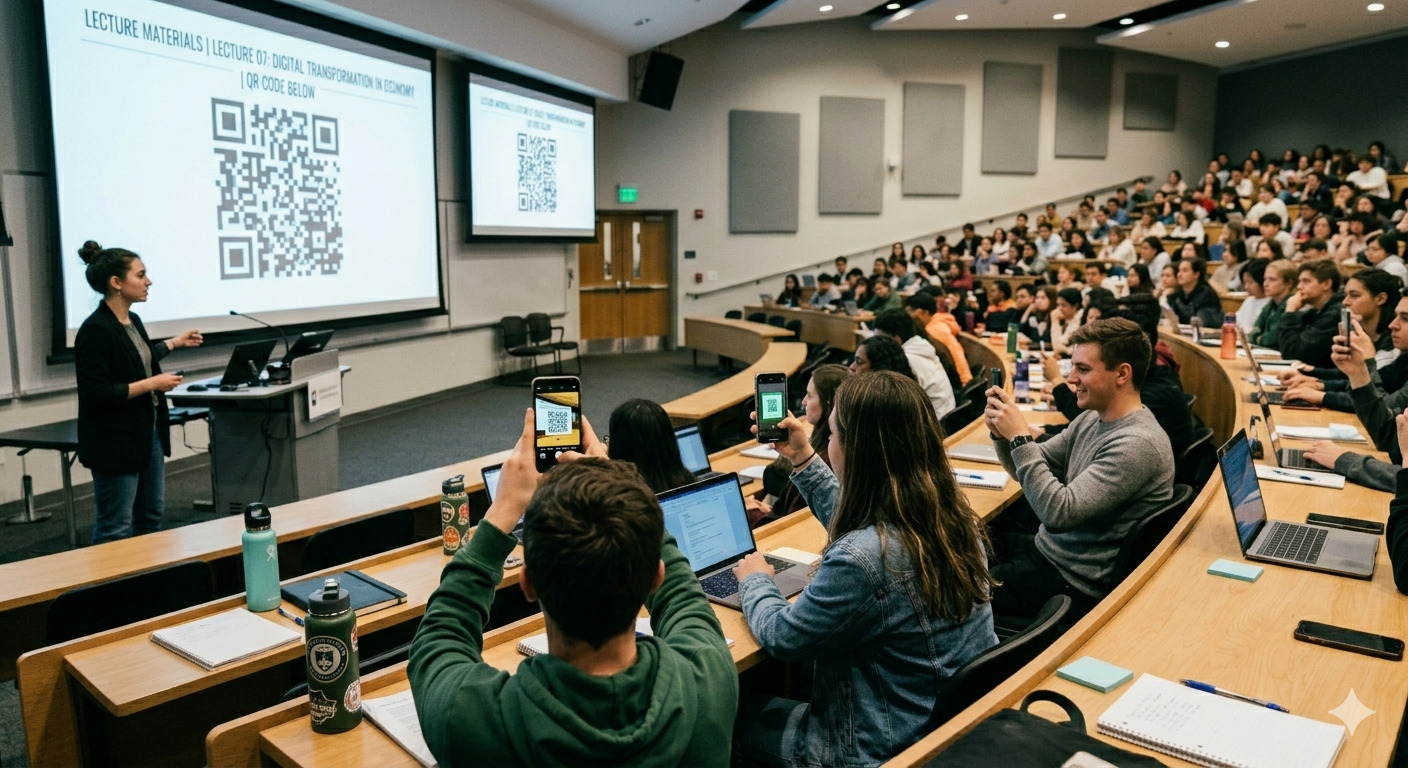
The comparison between qr code vs barcode is often discussed when organizations and educators explore modern ways to share information quickly and efficiently. While both technologies store data in a visual format that can be scanned by devices, they differ significantly in their design, capacity, and practical applications.
The comparison between qr code vs barcode is often discussed when organizations and educators explore modern ways to share information quickly and efficiently. While both technologies store data in a visual format that can be scanned by devices, they differ significantly in their design, capacity, and practical applications.
Traditional barcodes have been widely used in retail and logistics for decades, helping businesses identify products and track inventory. QR codes, however, have expanded the possibilities of scannable technology by allowing users to connect physical materials with digital resources.
Today, industries ranging from retail to education are using QR codes to improve communication and streamline workflows. Educational institutions, for example, use QR codes to distribute digital materials, share assignments, and provide interactive learning experiences. Platforms such as https://www.connectqr.io/solutions#education enable schools and teachers to generate QR codes that link printed materials with online resources.
Understanding the difference between barcode and qr code is important for organizations and educators who want to adopt the most effective tools for communication, data sharing, and digital engagement.
The use of qr code in education has grown rapidly in recent years. Schools and universities are adopting QR codes as a simple way to connect physical learning environments with digital information.
A QR code printed on worksheets, classroom posters, or textbooks allows students to scan the code with their smartphones or tablets and instantly access online materials.
These materials can include:
QR codes help teachers create more engaging learning environments while reducing the need for printed materials.
For students, scanning a QR code provides immediate access to additional resources that enhance understanding and participation.
The difference between barcode and qr code begins with the way information is stored and read by scanning devices.
A barcode is a one-dimensional code consisting of vertical lines of varying widths. These lines represent numeric or alphanumeric data that scanners interpret to retrieve information.
QR codes are two-dimensional codes made up of small black squares arranged in a grid pattern. Because they store data in both horizontal and vertical directions, QR codes can hold significantly more information.
Traditional barcodes typically store a limited amount of data, usually around 20–25 characters.
QR codes can store far more information, including:
This expanded capacity makes QR codes more suitable for interactive applications such as education and marketing.
Barcodes must be scanned from a specific orientation because they are linear.
QR codes can be scanned from multiple angles, making them easier to use with smartphone cameras and mobile devices.
QR codes include built-in error correction technology that allows them to be read even if part of the code is damaged or partially obscured.
Barcodes typically do not include this feature.
A common question is is a qr code a barcode.
Technically, QR codes are considered a type of barcode. However, they belong to a more advanced category known as two-dimensional barcodes.
Traditional barcodes are one-dimensional, meaning they store data in a single horizontal line.
QR codes expand on this concept by storing information in two dimensions, allowing them to contain much more data.
Because of this capability, QR codes are often used for applications that require more than simple product identification.
For example, QR codes can link directly to websites or digital resources, making them ideal for use in classrooms and educational materials.
Another common question is can barcode reader read qr code.
The answer depends on the type of scanner being used.
Traditional barcode scanners are designed to read linear barcodes. These scanners typically use laser technology to interpret the pattern of vertical lines.
Most older scanners cannot read QR codes because they are not designed to interpret two-dimensional patterns.
Modern scanning devices often use imaging technology instead of lasers.
Imaging scanners capture a digital image of the code and analyze the pattern using software.
These scanners can read both barcodes and QR codes.
One of the reasons QR codes have become so popular is that they can be scanned using smartphone cameras.
Most modern smartphones automatically detect QR codes and open the associated link or content.
This makes QR codes extremely accessible for educational environments where students already use mobile devices.
Many organizations are beginning to convert barcode to qr code systems because QR codes provide greater flexibility and data capacity.
While barcodes are still widely used in retail and logistics, QR codes offer several advantages that support modern digital applications.
QR codes can link to webpages containing detailed information about a product or resource.
In education, this might include:
Some QR codes are dynamic, meaning the content they link to can be updated without changing the printed code.
This feature is especially useful in educational environments where learning materials change frequently.
QR codes can integrate with digital learning platforms, allowing teachers to track engagement and monitor student participation.
A qr code generator for teachers allows educators to quickly create QR codes that link to digital classroom resources.
Teachers can use these codes to connect printed materials with online content, making lessons more interactive.
Common uses include:
Teachers can also use QR codes to create self-guided learning stations where students scan codes to access different activities.
This approach encourages independent learning and exploration.
Using a qr code for classroom activities helps teachers create engaging and interactive learning environments.
QR codes can be placed around the classroom on posters or worksheets, allowing students to scan them and access different types of content.
Examples of classroom uses include:
Teachers can place QR codes around the room that link to different tasks or challenges.
Students move between stations and scan codes to access instructions or resources.
QR codes can link directly to online assignments or submission portals.
This reduces paperwork and simplifies the assignment process.
Teachers can place QR codes on classroom boards that link to surveys or feedback forms.
Students can quickly share their opinions about lessons or activities.
A qr code generator for students allows learners to create their own QR codes for projects and presentations.
Students can use QR codes to share digital content related to their assignments.
For example, a QR code can link to:
This encourages students to combine traditional presentations with digital resources.
QR codes also help students develop digital literacy skills by learning how to share information efficiently.
Many educators and students use design tools to create learning materials, which raises the question of creating a qr code in canva.
Canva allows users to generate QR codes directly within their design workflow.
This feature is particularly useful when designing:
By integrating QR codes directly into classroom materials, teachers can easily combine print and digital learning resources.
The growing use of QR codes in education reflects broader changes in how information is shared and accessed.
Students today rely heavily on digital devices for learning, and QR codes provide a simple bridge between printed materials and online content.
Educational institutions are also exploring new technologies such as GS1 Digital Link systems and tools like gs1 qr code generator platforms that allow organizations to create standardized QR codes connected to digital databases.
These systems enable more advanced data sharing and resource management.
As technology continues to evolve, QR codes are likely to play an even larger role in education by supporting interactive learning environments and improving access to digital resources.
The comparison between qr code vs barcode highlights the evolution of scannable technology from simple product identification tools to powerful digital connectors.
Understanding the difference between barcode and qr code helps organizations and educators choose the right solution for their needs. While traditional barcodes remain useful for inventory and retail systems, QR codes offer expanded capabilities that support digital engagement.
Although is a qr code a barcode can technically be answered yes, QR codes represent a more advanced version of barcode technology.
Questions such as can barcode reader read qr code depend on the type of scanner being used, but modern imaging scanners and smartphones now support both formats.
As more organizations convert barcode to qr code systems, technologies such as gs1 qr code generator platforms and educational QR tools continue to expand the possibilities of digital interaction.
In classrooms, QR codes help teachers and students access resources instantly, making learning more interactive, efficient, and connected.
Ready to create your first QR code? Start free on ConnectQR - no credit card required.
Create dynamic QR codes with real-time analytics. No credit card required.
Start for Free →